Nightlife & Entertainment in the Turks and Caicos Islands
It may not be the city that never sleeps, but on Providenciales you’re never more than a few steps from a good party – day or night! In typical island style, we’re always up for a good time and everyone is welcome. From live music with dinner, to karaoke, Caribbean-style jams, Maskanoo, live DJs, and a glowworm rum punch cruise at sunset, you will find plenty to do when the sun sets in the Turks and Caicos Islands (TCI).
Take in some local music with performers such as Julian Garland, Quinton Dean, Correy Forbes, Elroy Simmons, Noel Browne, Tess, Craig Archibald, Perry Delancy, Barbara Johnson, Gordon Lightbourne or Sax 'O Pan. Here on Providenciales you can find someone playing traditional island rake ‘n’ scrape, steel drums, jazz, and even the occasional rock and pop group. There is definitely something for everyone.
The TCI are also lucky enough to have a very good local theatre company; if you’re on island at Christmas time the annual pantomime is a much-anticipated event. Check around on island when you arrive to see what’s going on while you’re here, you’re sure to find something fun to do! The schedule may change, so be sure to call and confirm shortly before the time.
-
Turks Head Brewery
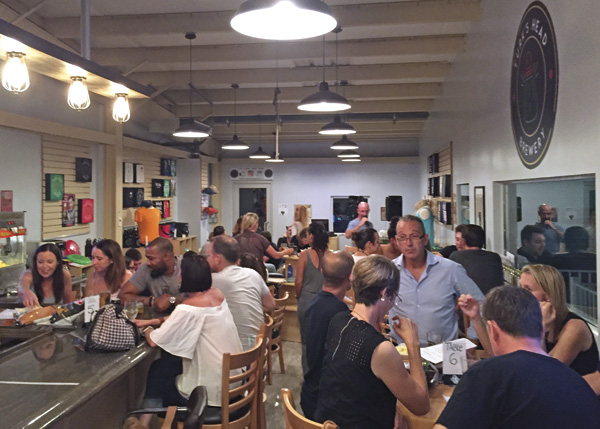 Tastings and tours available. Photo provided by Turks Head Brewery.
Turks Head Brewery offer tours of their brewery and tastings of their locally brewed beers and ales. A great chance to learn the entire process right from grain to bottle-ready, and taste flavours completely unique to the TCI. Reservations Recommended. Open weekdays, three tours daily, at 11am, 1pm and 3pm, plus noon on Saturday. Open weekdays 10 am to 6 pm, Saturdays until 3 pm. You can purchase souvenirs in the gift shop and book a private party with Turks Head Brewery. Enjoy Turks Head Beer at any of our restaurants and bars.
A – Z: Contact details for Turks Head Brewery
What’s Happening List
An overview of “what’s happening in the Turks and Caicos Islands” with details of happy hours, special nights, live music and much more! Last update 24 March 2020. All subject to change at any time.
Activities on the following list have not been updated recently and only represent typical events in the past.
-
SUNDAY
Zest - Wymara Resort 232-4444 One man band 6 pm on the beach.
Danny Buoy’s 946-5921 Sports live on the big screens. Watch indoors or on the patio.
Pelican Bay Restaurant & Bar 431-9101, 431-9103 Jerk Fiesta 5 pm - 10 pm with live music. Two-for-One Happy Hour Drink Specials 5 pm - 7 pm daily.
Bugaloo’s 941-3863, reservations 333-7321. Entertainment daily 1 pm - 4 pm. Live music 7 pm - 10 pm Friday, Saturday and Sunday.
Jack’s Fountain Daily Happy Hour 2pm-6pm. Across from Casablanca Casino.
Fairways Bar & Grill 946-5833 Sunday Brunch at the Provo Golf Club with Mimosa, Bloody Mary or Bloody Caesar, served from 7 am - 3 pm. Extended menu Friday and Saturday.
Sea Grapes at The Shore Club 339-8000 Daily Happy Hour 4 pm - 6 pm.
Cabana Beach Bar & Grill 946-5880 Live music 6 pm - 9 pm. Drink Specials.
Sharkbite Bar & Grill 941-5090 Daily Premium Hour 6 pm - 9 pm.
Via Veneto 941-2372 Daily Happy Hour at the bar 5:30pm - 7 pm, and Saturday Pizza Specials.
Skull Rock Cantina 941-4173 Daily drink specials. Live music 6-9 pm
Kalooki’s 332-3388 Daily Happy Hour 5 pm - 7 pm.
Restaurants Closed Sundays - Baci Ristorante, Bella Luna, Caicos Café, Le Bouchon du Village, Seven, Yoshis
-
MONDAY
Danny Buoy’s 946-5921 Happy Hour special: first Turks Head on tap free after 5 pm.
The Landing Bar & Kitchen 341-5856 Mahi mahi or Lobster Monday. Daily Happy Hour 5:30 pm - 6:30 pm ($4 local beers and $8 local rum mixed drinks).
Barbetta at the Somerset 332-3250 Half price Happy Hour 5:00 pm -7:00 pm with live music, Julien Garland in the lounge.
Hemingway’s at The Sands 941-8408 Live music with Sax O’ Pan Serenades 6:30 - 9:30 pm.
Cabana Bar & Grill 946-5880 Live music 6 pm - 9 pm. Margarita Drink Specials. Beachside Buffet 5 pm - 9:30 pm.
Skull Rock Cantina 941-4173 Live music 6 pm - 9 pm.
Restaurants Closed Mondays - Magnolia, Jack’s Fountain
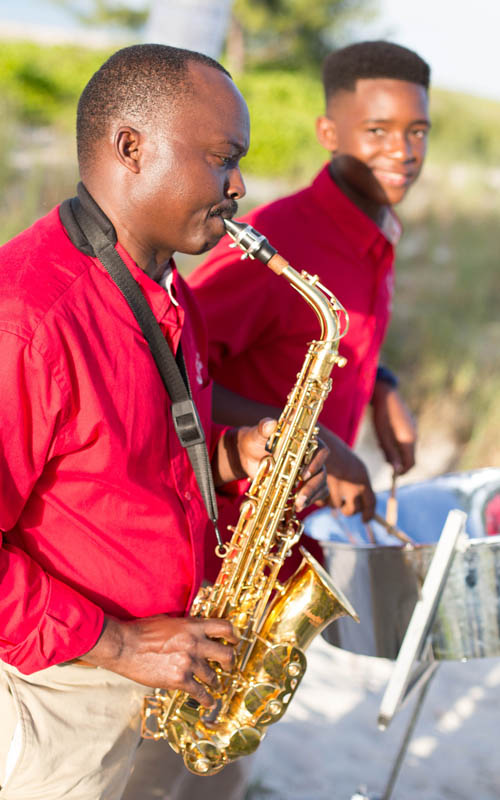 Soothing saxophone and steel pan melodies for all your special occasions. Sax-O-Pan Serenades.
-
TUESDAY
72º West 946-8666 Live music with Julian Garland 6:30 pm - 9:30 pm.
Hemingway’s at The Sands 941-8408 Live music with Quinton Dean 5 pm - 9 pm and Mango BBQ Ribs Special 6 pm - 10 pm.
Grace’s Cottage 946-5096 Live music with Correy Forbes starting at 6:30 pm. Native Cuisine Dinner Specials.
Danny Buoy’s 946-5921 Karaoke. All ages welcome 8:30 pm - 12:30 am.
JoJo’s Café at Windsong 333-7700 Pasta Night 6 pm - 10 pm.
Seven 339-3777 Mixology Class at the bar - learn to make the cocktail of the evening 5pm.
Barbetta at the Somerset 332-3250 BBQ & Bonfire. Live music and fire dancer. Reservations essential.
Somewhere 941-8260 Tequila Tuesday - Margaritas: Patron $9, Jose Cuervo $7.
Restaurants Closed Tuesdays - Coyaba, The Terrace, The Landing
-
WEDNESDAY
Somewhere 941-8260 Wine Not Wednesday, half-price house bottles. Live music with Barbara Johnson the songbird.
Zest - Wymara Resort 232-4444 One man band 6 pm on the beach.
Sharkbite Bar & Grill 941-5090 Fish & Chips Special.
Danny Buoy’s 946-5921 Pizza Buffets 5 pm - 9 pm. Live entertainment starts at 7pm.
Cabana Bar & Grill 946-5880 Ribs Night 6 pm - 10 pm.
Pelican Bay Restaurant & Bar 431-9101, 431-9103. Caribbean BBQ from April to August. 5:30 pm - 10 pm. Reservations required. Live entertainment.
Skull Rock Cantina 941-4173 Fiesta Night. Live music 6 pm - 9 pm. $9 Margaritas.
-
THURSDAY
Island Fish Fry at The Bight Park 5:30 pm - 9:30 pm Local food stalls, native cuisine by multiple restaurants. Live music, dance, junkanoo. Local arts, crafts and jewellery. Childrens Park, Lower Bight Rd. (Suspended until further notice.)
Seven 339-3777 Mixology Class at the bar - learn to make the cocktail of the evening 5pm.
Danny Buoy’s 946-5921 Karaoke from 8:30 pm - 12:30 am.
The Landing Bar & Kitchen 341-5856 Tuna Thursdays.
Somewhere 941-8260 Thirsty Thursday - Turks Head draft beer $4 all day.
Hemingway’s at The Sands 941-8408 Live music with Quinton Dean 7 pm - 10 pm.
Solana! 946-5254 Live music Thursday and Saturday night.
Restaurants Closed Thursdays - Via Veneto, Kalooki’s
-
FRIDAY
Hemingway’s at The Sands 941-8408 Live music with Julian Garland from 7 pm - 10 pm.
L’Attitude Bar at The Palms 946-8666 Happy Hour 5:30 pm - 6:30 pm.
Danny Buoy’s 946-5921 Country night.
Barbetta at the Somerset 332-3250 Live music with Gordon Kerr, 1/2 price Happy Hour, drink specials.
Sharkbite Bar & Grill 941-5090 Happy Hour 5 pm - 7 pm. Fish & Chips Special.
Chinson Grill Shack 941-3533 DJ and Real Jerk & BBQ Night - come early!
Somewhere 941-8260 All day Wings special. Live music with Barbara Johnson the songbird. 6:30pm - 9pm.
Parallel23 946-8666 Live music with Gordon Lightbourne 6:30 pm - 9:30 pm.
Pelican Bay Restaurant & Bar 941-2365/431-9103 Seafood Galore 5:30 pm - 10 pm with live entertainment.
Cabana Beach Bar & Grill 946-5880 Live music 6 pm - 9 pm with drink specials.
-
SATURDAY
JoJo’s Café at Windsong 333-7700 Poolside Caribbean BBQ - DJ music 6 pm - 9 pm.
Zest - Wymara Resort 232-4444 One man band 6 pm on the beach.
Parallel23 946-8666 Live music with Tess 6:30 pm - 9:30 pm.
Danny Buoy’s 946-5921 DJs night starts at 10 pm.
Cabana Bar & Grill 946-5880 Live music 6:30 pm - 8:30 pm. Seafood Saturday.
Kokomo at One on Marlin 433-0002 Live music with Gordon Lightbourne.
Somewhere 941-8260 Ladies’ Night. Half-price cocktail of the week (for ladies).
The Landing Bar & Kitchen 341-5856 Pulled Pork Bun Saturday.
Sharkbite Bar & Grill 941-5090 Cracked Conch & Chips Special.
Skull Rock Cantina 941-4173 Kids’ Day (with bouncy castle!). Kids’ meals, half price.
Kalooki’s 332-3388 Live music 6:30 pm - 9:30 pm.
Grace’s Cottage 946-5096 One man band 6:00 pm.
-
Glow Worms
Three to six nights after the Full Moon, Glowworm show just after sunset, rum punch and snacks. Call any boat excursion.
ATABEYRA - Sunset sail from Leeward.
BIG BLUE UNLIMITED - Glowworms by kayak.
OCEAN OUTBACK - Cruise from Sapodilla Bay.
Related Topics
- Turks & Caicos Islands Casinos
- Turks & Caicos Things To Do: Stand Up Paddleboarding (SUP)
- Turks & Caicos Things To Do: Semi-Submarine - Undersea Explorer
- Turks & Caicos Things To Do: Glass Bottom Boats
- Turks & Caicos Weather Forecast and Climate Charts
- Turks & Caicos Islands Maps and Detailed Maps of Provo, North Caicos and Middle Caicos